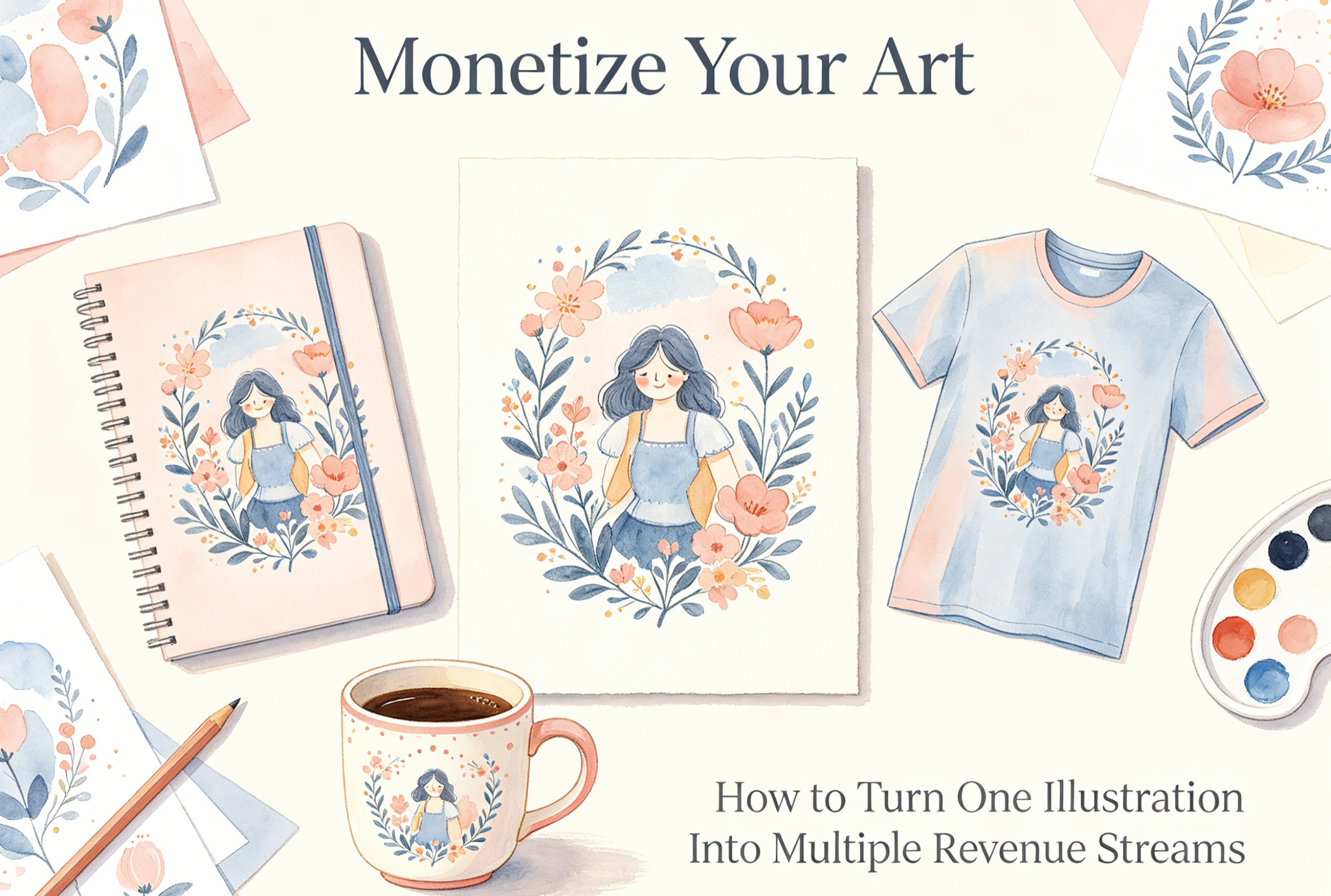
For many artists and creators, one of the biggest frustrations is this: you spend days or even weeks creating a beautiful illustration, post it online, get some likes and shares… and then the content disappears into the algorithm a few days later.
But what if a single illustration could become much more than just a social media post?
Today, creators no longer need to rely only on commissions or platform traffic to make money from their art. One illustration can evolve into multiple revenue streams across digital products, merchandise, publishing, collectibles, and lifestyle goods.
The key is learning how to extend the life and value of your creative IP. For independent artists, this changes everything. Instead of constantly chasing the next post, creators can build a sustainable ecosystem around their work.
Different Revenue Streams Artists Can Build
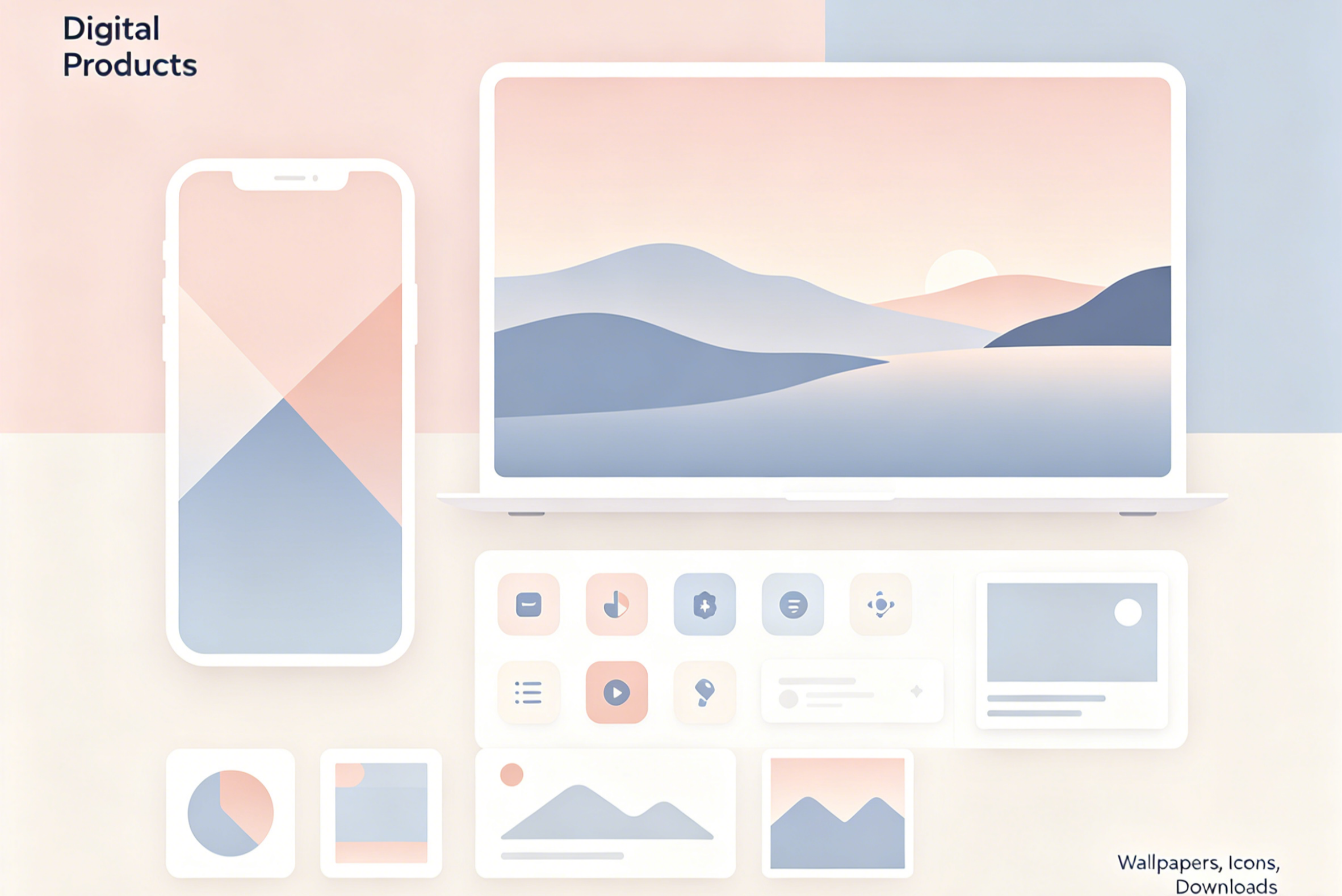
1. Digital Products: Wallpapers, Icons, and Online Downloads
One of the easiest ways to monetize an illustration is through digital products.
Many audiences today love personalizing their devices with unique visuals. A single illustration can be transformed into:
- Phone wallpapers
- Desktop backgrounds
- App icon packs
- Social media templates
The advantage of digital products is that there is no physical inventory or shipping involved. Once uploaded, they can be sold repeatedly with very low operational cost.
For creators with strong aesthetics or recognizable character designs, digital downloads are often the first step toward building a larger IP business.
2. Turning Illustrations Into Picture Books or Visual Stories
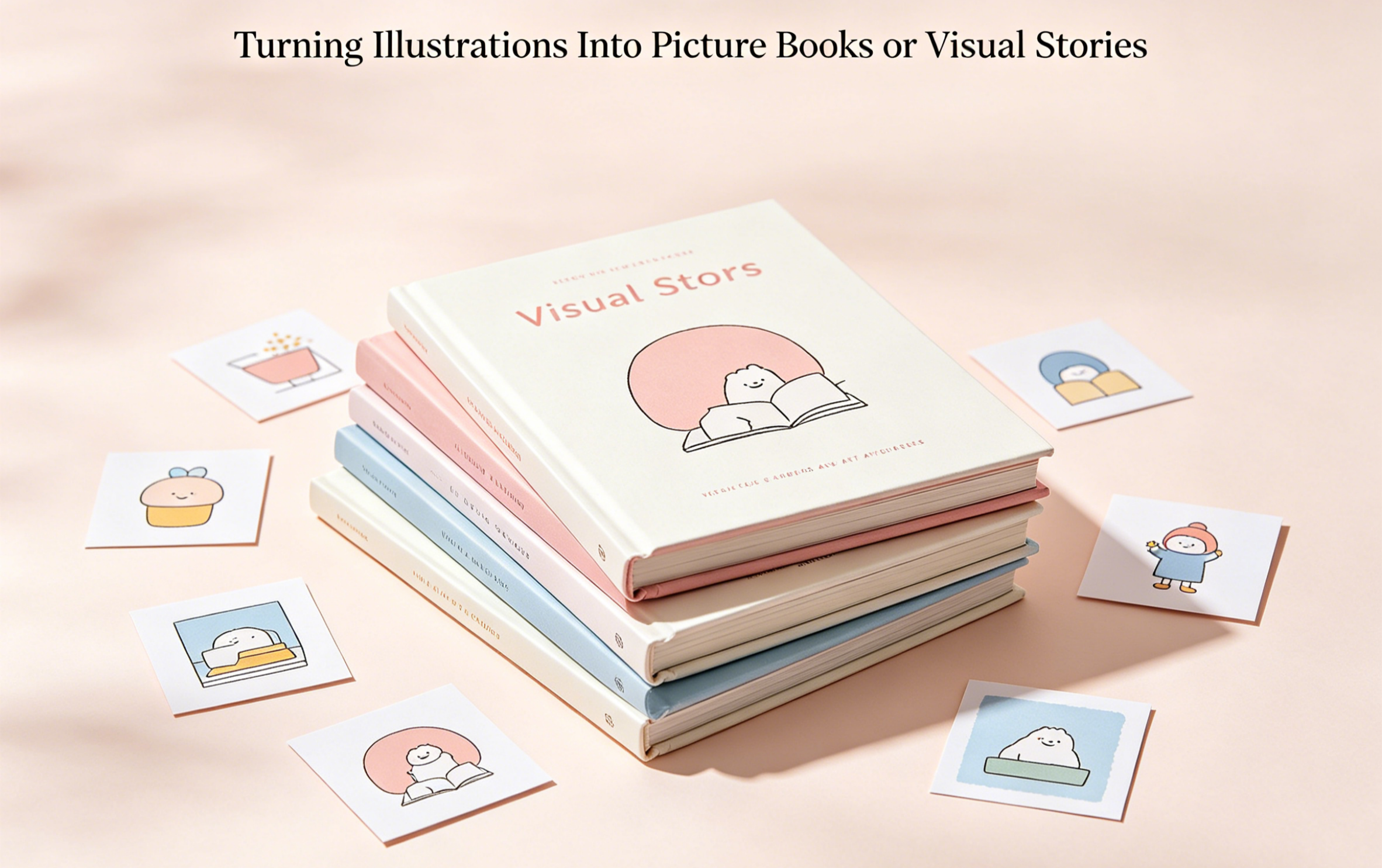
Sometimes an illustration is more than just an image — it hints at a world, a character, or an emotion people want to explore further.
This is where picture books and visual storytelling become powerful.
Artists can expand a single artwork into an entire creative universe through short illustrated stories, character lore books, mini comics, art zines, or world-building collections. Audiences today are increasingly drawn to immersive experiences rather than standalone images. By transforming one illustration into a larger story-driven ecosystem, creators can strengthen audience loyalty while giving their personal IP far more long-term creative and commercial value.
For artists with recurring characters or themes, publishing small visual books can strengthen audience loyalty and increase the perceived value of the IP.
It also opens opportunities for crowdfunding, limited editions, and collector communities.
3. Turning Artwork Into Collectibles
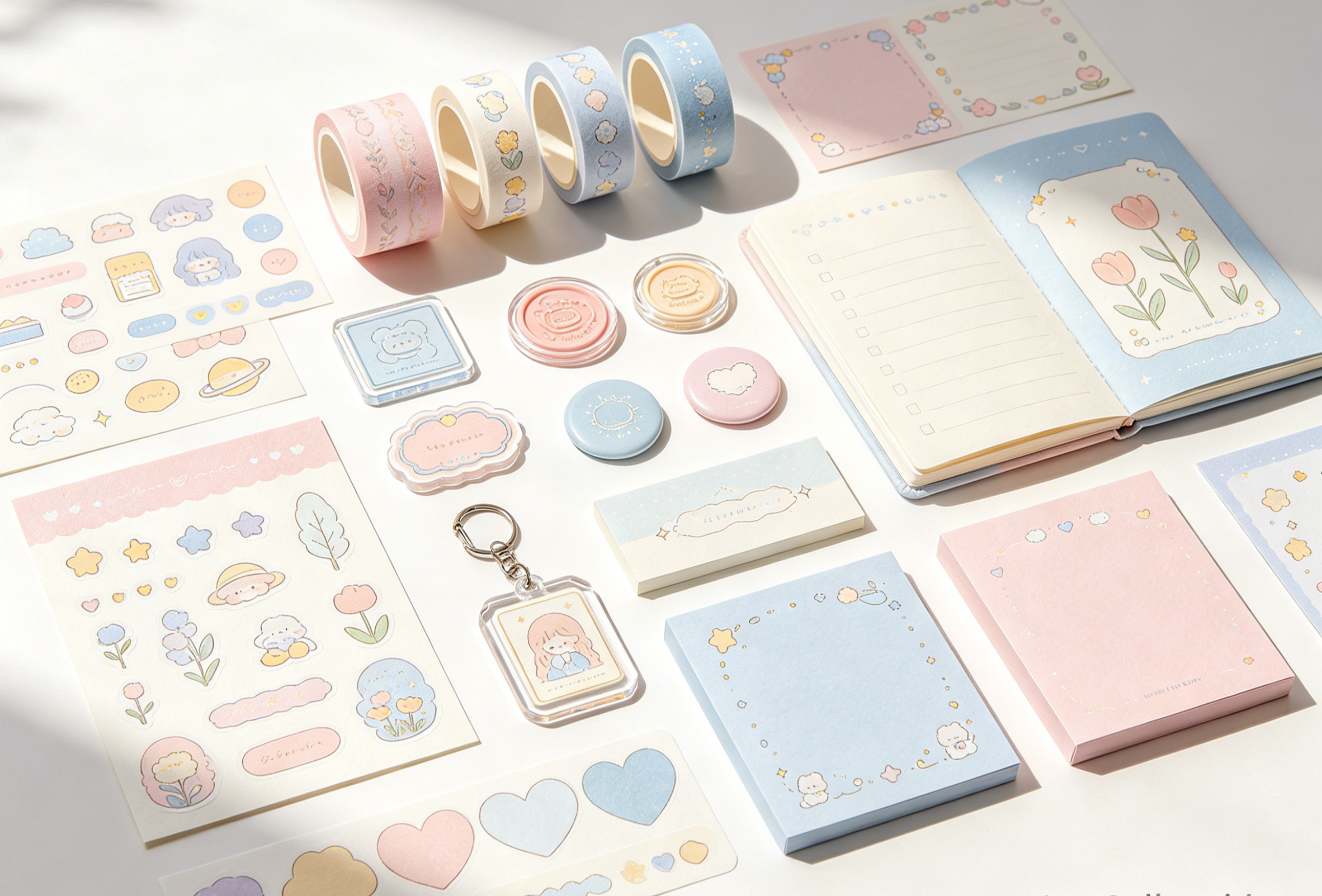
Events like anime conventions, indie art fairs, and creative markets have created strong demand for products such as stickers, washi tapes, stamps, badge pins, acrylic keychains, memo pads, art cards, and notebook accessories.
Fans use them for journaling, decorating planners, customizing laptops, scrapbooking, or collecting favorite artist IPs. Unlike traditional merchandise, these creator-made products often feel more personal and community-driven, which is why many audiences actively seek out independent artist booths both online and offline. For creators, collectible stationery and “artist alley” style merchandise have become one of the most accessible and sustainable ways to monetize artwork while building a recognizable creative identity.
4. Expanding Into Everyday Lifestyle Products
One of the smartest ways to grow an art-based brand is by entering everyday lifestyle categories.
Functional products reach much broader audiences. Someone may not buy an art print, but they may happily purchase everyday lifestyle products featuring a creator’s artwork, such as tote bags, mugs, phone cases, pillows, notebooks, mousepads, water bottles, or apparel.
When art becomes part of daily life, the connection between creator and audience becomes stronger and more continuous.
Lifestyle products also help creators move beyond niche art circles into mainstream consumer spaces. This is an important transition for creators who want to grow from “online artist” into a long-term creative brand.

The Easiest Way to Create Physical Products: POD Platforms
In the past, turning illustrations into physical products was extremely difficult for independent artists because creators had to manage almost every part of the process themselves, from finding factories and contacting suppliers to handling inventory, packaging, logistics, and customer service. Building a merchandise business required significant time, money, and operational experience, which made it inaccessible for many artists who simply wanted to focus on creating.
But POD (Print-on-Demand) platforms are changing that completely by simplifying production and fulfillment, allowing creators to turn artwork into products without managing complicated backend operations on their own.
With POD systems, creators can upload artwork and turn it into products without managing manufacturing or inventory themselves. Products are produced only when customers place orders, greatly reducing risk and operational pressure.
Platforms like Genki make this process even more creator-friendly.
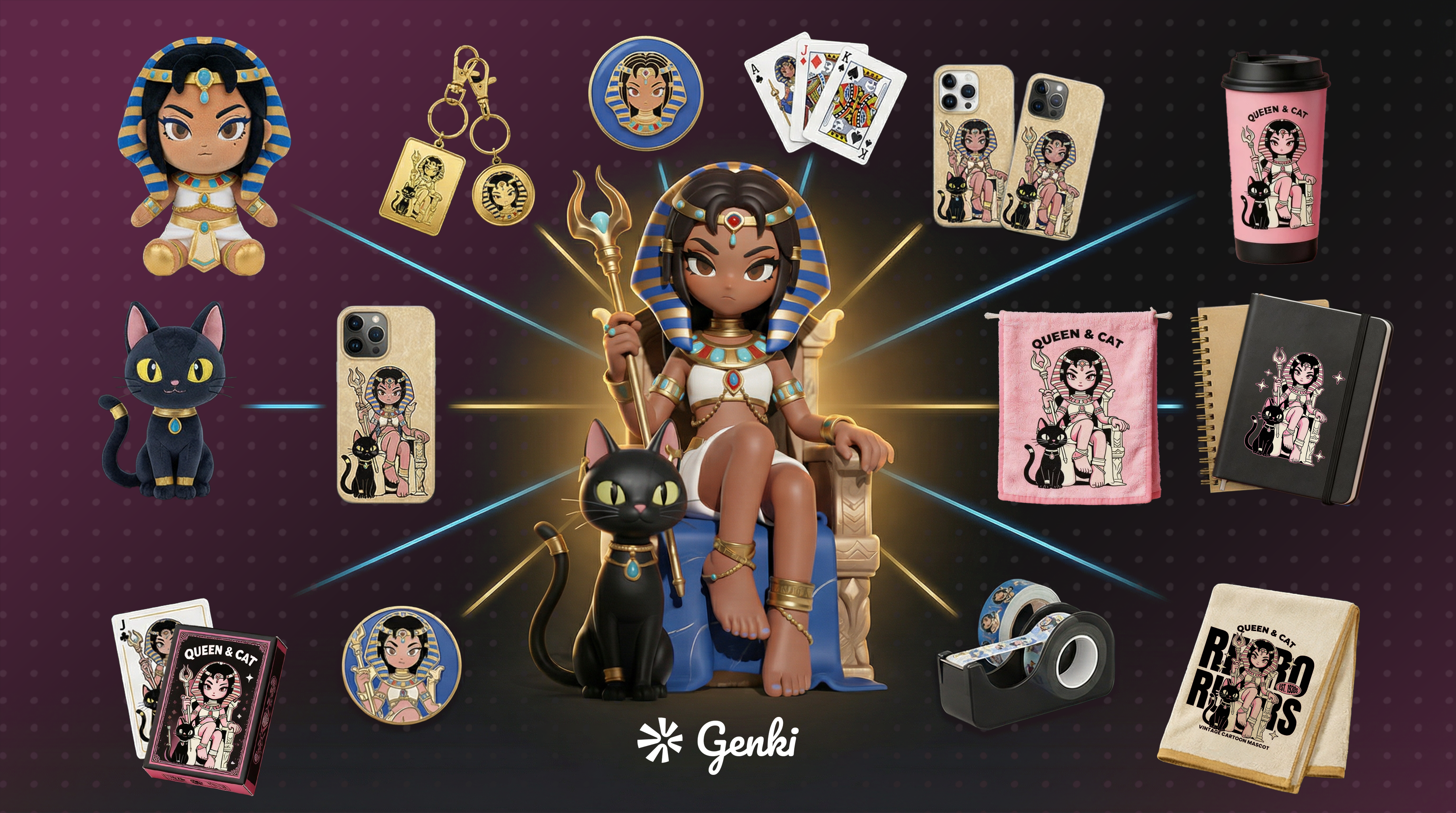
As a POD and co-creation platform, Genki helps artists build stores, generate product pages, organize collections, and manage products more efficiently. At the same time, creators still maintain full creative control and final approval over designs and branding.
Genki also provides integrated supply chain support, global logistics, and after-sales services, allowing artists to focus more on creativity instead of backend operations.
For independent creators, this lowers the barrier to building a real business around personal IP dramatically.
Final Thoughts
One illustration should not live for only a few days on social media.
For modern artists, every artwork has the potential to evolve into a digital product, a collectible, a story-driven universe, a lifestyle item, or even a long-term brand asset that continues generating value far beyond a single social media post.
The future of creator commerce is not about constantly producing more content. It is about building deeper ecosystems around the art you already create.
Small creators today have more opportunities than ever before. With the rise of POD platforms and global online communities, independent artists can now transform creative ideas into sustainable businesses without needing massive teams or complicated operations. All of it begins with just one illustration.